objectives
Saving water in the paddy paddy doesn't mean leaving the paddy dehydrated, it's about replenishing water on time and in the right quantity, keeping the key stages adequately watered.
1. Choose varieties and determine the growing season
• Choose varieties with a shelf life appropriate to the local water source and rain period.
• If water is limited, choose short- or medium-aged varieties and schedule planting in line with rainfall.
• Use clean seeds with good germination rates to reduce over-indulgence.
2. Prepare the rice paddies evenly
• Flat soils make the water distribution equal and reduce deep places that need a lot of water.
• Repair farm dams and close mouse holes or spillways before restocking.
• Divide large barns into smaller sections if the soil surface is uneven or difficult to manage water.
3. Proper Resting or Brewing
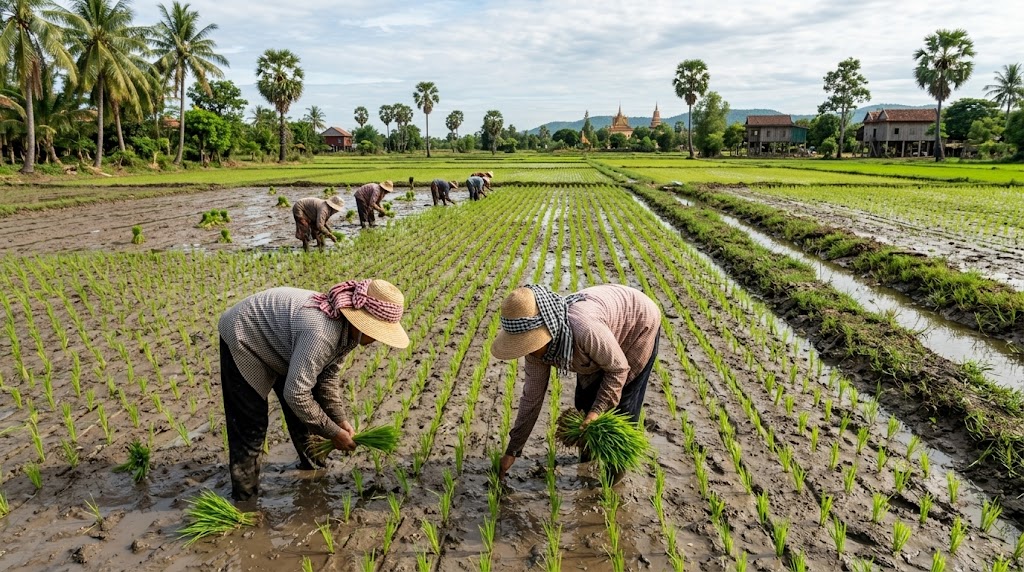
• Plant the seedlings at the appropriate age and don't plant too deep so that the roots catch up quickly.
• Maintain appropriate planting spacing by variety and soil fertilizer to allow for ventilation and weeds.
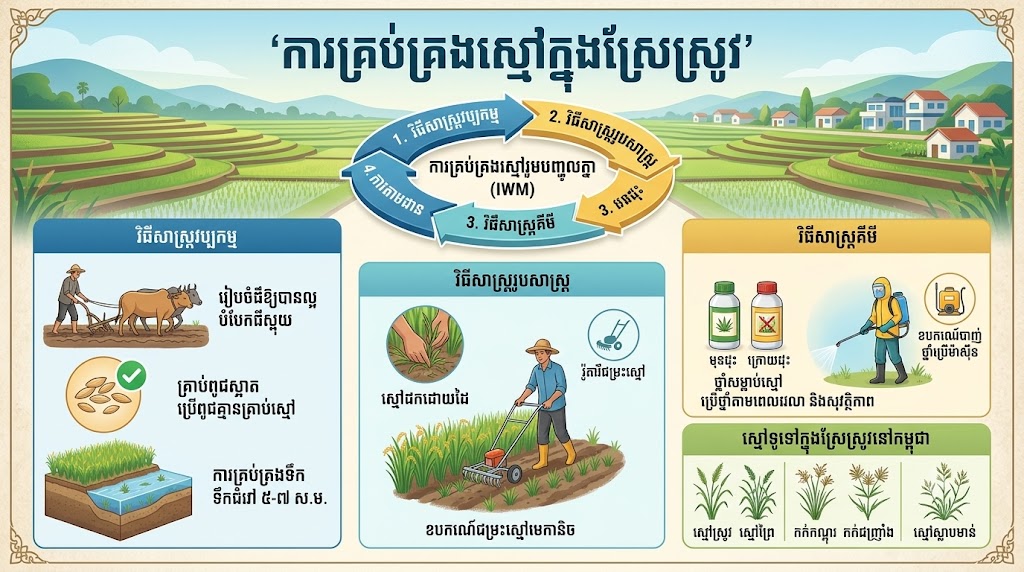
• For mosquitoes, be good soil and control weeds early, as grasses compete for water and fertilizer with paddy.
4. Interchangeable wet-dry way
• After the rice has taken good roots, the water can be left to decrease slightly before rewatering.
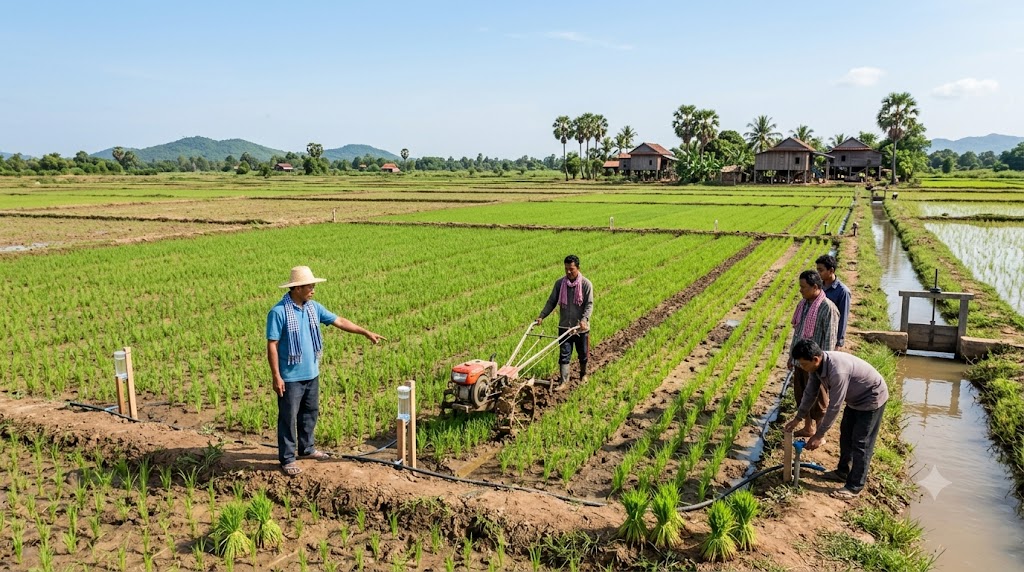
• Pipes with holes can be placed in the barn to see the water level below the surface Generally, farmers refill when the water level in the pipes drops about 15 cm below the surface surface, but this is adjusted according to soil type and climate.
• When refilling, keep the water shallow, not necessarily deep at all times.
• Do not apply extreme drying when the rice is flowering, forming a bud, or when the newborn baby has not yet taken root.
5. Phased Water Management
• Rooting stage: Maintain steady moisture and avoid deep water that softens the seedlings.
• Pruning phase: Apply shallow water and can dry briefly to encourage roots and reduce water loss.
• Flowering stage: Be very careful not to waste water.
• Pre-harvest: Irrigation can be stopped according to soil and seed conditions to allow the soil to permeate and reduce losses.
6. Fertilizer and Grass
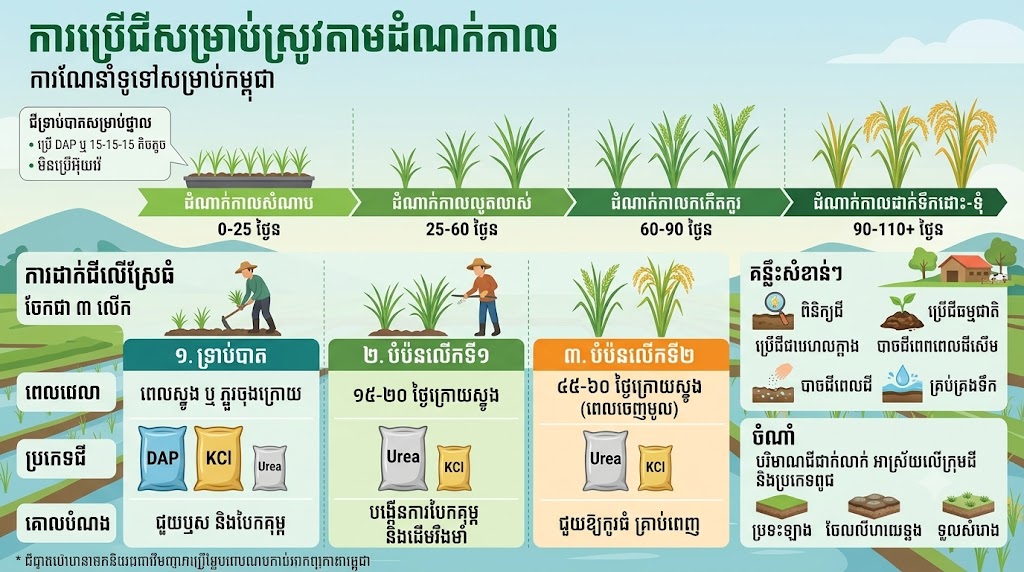
• Apply fertilizer according to soil tests or local guidelines and allocate.
• Don't apply a lot of nitrogen fertilizer when rice is scarce or before heavy rains.
• Control weeds ahead of time because they use more water and decrease yields.
7. Measure results
Record:
• Number of recharge days
• Pumping hours and fuel/electricity charges
• Seed and fertilizer quantity
• Yield per hectare
• Areas with uneven water
This recording can reveal which way saves a lot of water and still maintains good yields.
Safety Note
Water levels and dry times depend on clay, silt, or sandy soils.
Water-saving rice cultivation techniques
Field leveling, crop establishment, and alternate wetting and drying practices for more efficient rice-water use.